botox

A Pain-Free Smile Awaits at The Foleck Center

Pain shouldn’t be part of your daily life. If you’re suffering from jaw discomfort, persistent headaches, or damaged teeth from grinding, you deserve relief. At The Foleck Center, Dr. Adam Foleck has helped countless patients reclaim comfort and confidence through dental Botox treatments. Imagine waking up without that familiar ache, speaking without discomfort, or smiling without worry.

Your journey toward relief can begin with a single consultation at any of our four convenient Virginia dentist offices in Hampton, Norfolk, and Virginia Beach. Why wait another day living with pain when a solution is within reach? Contact The Foleck Center today, because your comfort matters, and a pain-free tomorrow starts with one decision today


Smiling mother, father, and daughter sitting together on a couch at home

Woman with long blonde hair smiling outdoors on a city street

Wait, isn’t Botox cosmetic? Dr. Foleck Explains

When most people hear “Botox,” they immediately think of its cosmetic applications – smoothing wrinkles and fine lines to create a more youthful appearance. The distinction between cosmetic and therapeutic Botox applications is important. In dentistry, Botox serves a medical purpose – relieving pain, improving function, and enhancing quality of life for patients suffering from specific conditions.

Botox temporarily blocks nerve signals to muscles, causing them to relax. This property makes it valuable for treating numerous dental conditions related to muscle tension and dysfunction.

Our dentist near you utilizes Botox as a therapeutic tool to address various dental concerns. The treatment works by precisely targeting specific muscles that may be causing pain or functional issues in the jaw, face, or oral cavity.

The Foleck Center logo, Botox treatments in Hampton Roads

Dental Uses for Botox

Dental Botox has proven effective for numerous oral and maxillofacial conditions. At The Foleck Center, Dr. Adam Foleck regularly employs this treatment for patients experiencing:

  • TMJ Disorders (TMD): Temporomandibular joint disorders often cause significant jaw pain, limited mobility, and headaches. Botox injections can relax the overactive muscles around the joint, reducing tension and alleviating symptoms.
  • Bruxism (Teeth Grinding): Chronic teeth grinding and jaw clenching can lead to worn teeth, jaw pain, and headaches. Botox weakens the masseter muscle responsible for these actions without affecting essential functions like chewing and speaking.
  • Muscle-Induced Dental Pain: Some dental pain stems from muscle tension rather than dental issues. Botox can target these muscles, providing relief when traditional dental treatments haven’t resolved the problem.
  • High Lip Lines: A “gummy smile” occurs when too much gum tissue shows when smiling. Botox can relax the upper lip muscles, reducing gum exposure for a more balanced smile.
  • Denture Adjustment Difficulties: For new denture wearers, strong facial muscles can make adjustment challenging. Strategically placed Botox can temporarily relax these muscles, making the adaptation period more comfortable.
  • Orthodontic Therapy Support: During and after orthodontic treatment, Botox can help retrain facial muscles to adapt to new tooth positions, potentially enhancing treatment outcomes.
  • Facial Pain Conditions: Conditions like trigeminal neuralgia or persistent facial pain may respond well to Botox treatment when other approaches have failed.

Dental Botox Process

The dental Botox procedure at The Foleck Center follows a comprehensive protocol designed to maximize effectiveness while prioritizing patient comfort and safety. Here’s what to expect when receiving dental Botox treatment from Dr. Adam Foleck:

Patients often wonder if the procedure is painful. Most describe the sensation as a minor pinch or slight discomfort that lasts only seconds for each injection. Results typically develop over 7-14 days as Botox gradually blocks nerve signals to the targeted muscles.

Mature man with gray hair and beard smiling while sitting on a couch

Mature couple laughing together while walking outdoors in a park

Dental Botox Aftercare

Proper aftercare following dental Botox treatment is essential to maximize results and minimize potential side effects.

Immediate Aftercare (First 24 Hours)

  • Avoid touching, rubbing, or massaging the treated areas.
  • Keep your head upright for at least four hours after treatment.
  • Refrain from strenuous physical activity and exercise for 24 hours.
  • Don’t lie down for 3-4 hours after the procedure.
  • Avoid consuming alcohol for 24 hours following treatment.
  • Skip facials, facial massages, and other facial treatments for at least 24 hours.

Longer-Term Care

  • Be gentle when brushing your teeth and performing your oral hygiene routine.
  • Maintain your regular dental check-ups.
  • Track any changes in your symptoms to discuss with Dr. Foleck during follow-up appointments.
  • Continue any prescribed exercises or physical therapy for conditions like TMJ disorders.

What to Watch For

Most patients experience minimal side effects following dental Botox. Common temporary side effects include mild bruising, swelling, or tenderness at injection sites. Contact The Foleck Center immediately if you experience:

  • Unusual or severe pain
  • Significant swelling
  • Difficulty swallowing or breathing
  • Drooping eyelids or asymmetry
  • Persistent headache

Treatment Longevity and Maintenance

The effects of dental Botox typically last 3 to 6 months, depending on the individual and the condition being treated. Many patients at The Foleck Center schedule regular maintenance treatments to sustain relief.

Frequently Asked Questions

Smiling family of four embracing outdoors

Is Dental Botox covered by the insurance?

Insurance coverage for dental Botox varies depending on your provider and the condition being treated. When used for therapeutic purposes like TMJ disorders or bruxism, some insurance plans may provide partial coverage.

Can Botox affect my ability to chew or speak?

When administered properly by an experienced provider Botox shouldn’t significantly impact normal functions like chewing or speaking. The treatment targets specific muscles at precise dosages.

How long until I see results from my Botox treatment?

Most patients begin to notice changes within 2-3 days, with full effects developing over 7-14 days.

Will my face look "frozen" after Dental Botox?

Our approach focuses on relieving symptoms while maintaining natural facial expressions and movement. The “frozen” look is typically associated with cosmetic overtreatment, which is not the goal of therapeutic dental applications.

Can I receive Dental Botox if I’m pregnant or breastfeeding?

As a precautionary measure, Botox treatment is not recommended during pregnancy or while breastfeeding.

Will I build up a resistance to Botox over time?

Some patients do develop antibodies to Botox with repeated treatments, potentially reducing its effectiveness. However, this is relatively rare in dental applications where treatments are typically spaced several months apart.

Can Botox replace my night guard for teeth grinding?

While Botox can significantly reduce the force of teeth grinding by relaxing the masseter muscle, it may not eliminate the need for a night guard in all cases. Many patients at The Foleck Center receive Botox as a complementary treatment to protective appliances.

The Relief You’ve Been Searching For in the Hampton Roads Region

Every smile, every laugh, and every meal should be moments of joy not triggers for pain. Through advanced dental Botox treatments at The Foleck Center, patients are rediscovering what life feels like without constant discomfort.

Make the call that could change everything. With four convenient locations across Hampton, Norfolk, and Virginia Beach, hope isn’t just possible, it’s waiting for you right now at The Foleck Center. Call any of our Virginia dental offices today!

Request Appointment

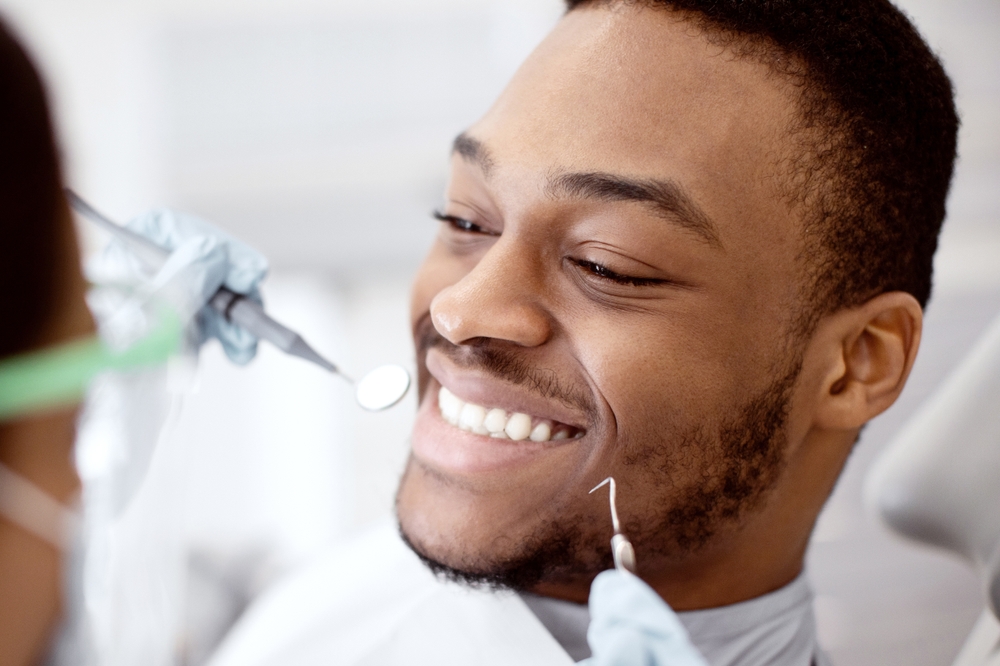
Young man smiling during a dental exam as a dentist uses a mirror and explorer tool